Is your cider really cider?
Is your cider actually cider?
Cider only legally has to be 35% apple juice. Here’s what that means, why it matters, and how to spot the real thing.
Under UK law, a drink can be sold as cider with just 35% apple juice in it. Just over a third. The rest can be water, sugar and imported concentrate and there is currently no requirement to tell you any of that on the label.
For a drink made from apples, that’s a strange place to have landed.
How we got here
It wasn’t always this way. Cider was traditionally made by pressing whole apples, fermenting the juice and letting time do most of the work. Over the years, the largest producers moved towards imported apple concentrate instead. It’s cheaper, easier to ship, and far simpler to make at scale.
When the Government introduced a legal minimum juice content back in 2010, the intention was sensible: clean up the cheap, high-strength white ciders that were claiming cider’s lower duty rate while containing almost no fruit at all. But as CAMRA set out in a recent piece, the largest producers pushed for the threshold to be set at 35%, because that was already roughly how much of their product was made.
So a rule designed to push out the worst of the market ended up becoming the standard for a big chunk of it.
Why it matters if you make cider properly
This is the part that we think about most, because we spend our week with the people it affects.
If you’re using less juice, you need less fruit. Less fruit means less farmland, less pressing, less time, and lower costs. And at the end of it, you can still put the word “cider” on the front of the can.
Which means the producers doing it the long way round, growing or buying real fruit, pressing it, waiting, are competing on price against something that isn’t really the same product. That’s a hard place to run a small business from.
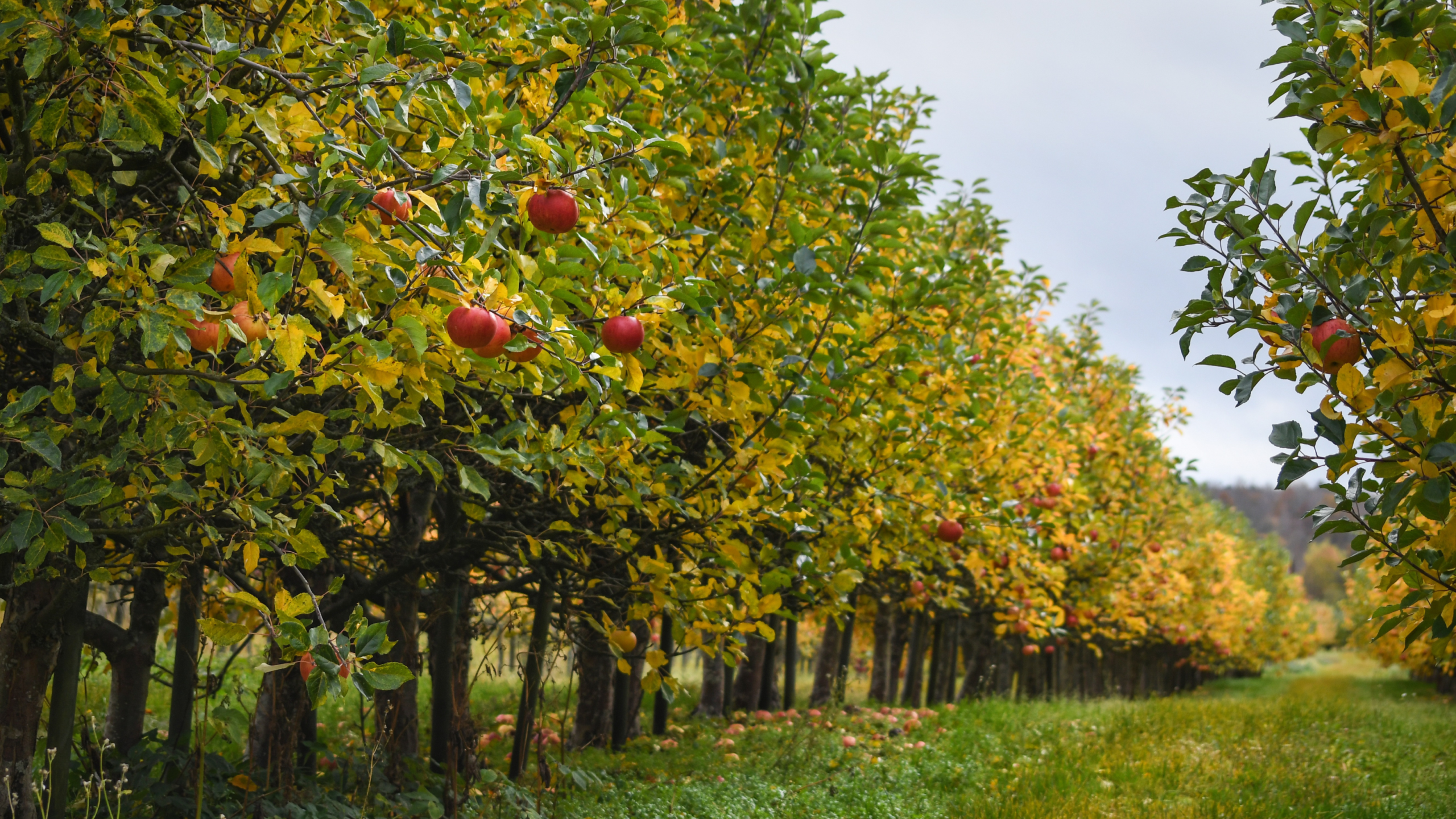
There’s an environmental cost too. As the big producers moved to concentrate, they needed fewer British cider apples. CAMRA report that around 2,000 acres of traditional cider orchard have disappeared in under a decade, including 300 acres cut down in Monmouthshire by a single company. Traditional orchards aren’t just fields of fruit, they’re Government-designated priority habitats, home to species that struggle to survive anywhere else.
Personally, we’d like to see proper cider treated differently. There’s a decent argument that a fermented fruit drink made from pressed whole fruit has more in common with wine than with a mass-produced can, and that the duty system could reflect that. Whether or not that ever happens, the direction of travel among small producers is encouraging.
The good news
There are more real cider makers now than there have been in a long time. Of the roughly 480 active cider producers in the UK today, around three quarters have started since 2000, many of them working with local orchards, planting new trees, and pressing fresh fruit rather than buying concentrate.
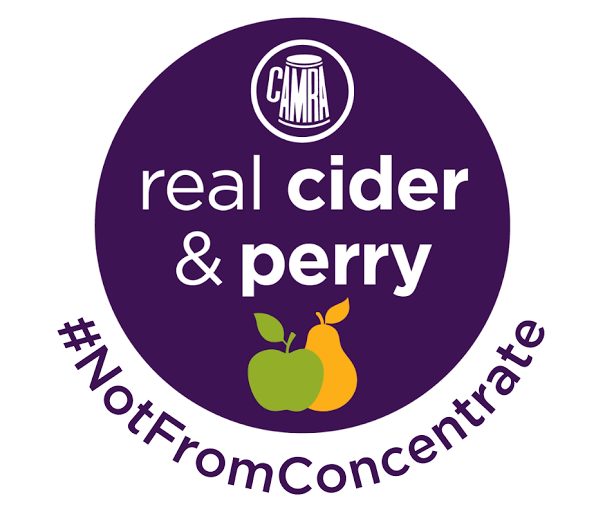
And spotting them is easier than you’d think. Three words on the label:
Not From Concentrate
That’s your shortcut. If it says that, someone pressed real fruit to make it.
The people we work with
Everything in our warehouse is the real thing, and a few of our favourites are close enough to visit on a day off.
[DORSET NECTAR] are about half an hour down the road from us. Family run, with the sons all involved in the business, making genuinely excellent organic cider. They’re a good example of what a small producer can do when they’ve got the right fruit and the patience to use it properly.
[PURBECK CIDER COMPANY] are similar; organic, local, and doing things the long way round. They also make ice cream at the same site, which is not strictly relevant to cider but is very relevant to a good afternoon out.
[SANDFORD ORCHARDS] are a bigger name, and well known around here. Worth flagging that their alcohol-free cider has become genuinely popular and proof that low and no doesn’t have to mean compromising on the quality of what’s in the glass.
If you run a venue
A couple of practical thoughts, because this is increasingly a conversation your customers are having.
It’s a selling point, so say it. If your cider is Not From Concentrate, put that on the menu or the blackboard. Customers who care will notice, and customers who don’t will still register that you’ve thought about it.
Name the maker. “Local organic cider from a family farm half an hour away” sells considerably better than “cider.”
Low and no counts too. The alcohol-free category has moved a long way. A good alcohol-free cider on the bar keeps a table together when one person’s driving.
One delivery, one invoice. This is the bit we’re built for. Rather than dealing with a dozen small producers individually, you can order from fifty different ciders from us and it arrives on one pallet with one invoice. That’s the whole point of what we do.
Where we come in
Fetch The Drinks has been going for thirteen years. It started, oddly enough, with an orchard, our founder Sean was working at a school that had one, and what began as a small project to make better use of it turned into a proper business.
Today we buy from small producers all over the country, bring it all together in our warehouse in Ringwood, and deliver it ourselves across Bournemouth, Poole and the rest of Dorset – plus festivals and events nationwide. Delivering ourselves is deliberate. It means we know what’s on your bar, we can turn things around quickly, and when there’s a problem you’re speaking to the person who can fix it.
If you run a pub, bar, restaurant, café or festival bar and you’d like proper cider on it, have a look at our range and trade prices on the portal… or just get in touch and we’ll talk it through.

[BROWSE THE TRADE PORTAL →]
Facts on juice content, orchard loss and producer numbers via CAMRA. Opinions our own.